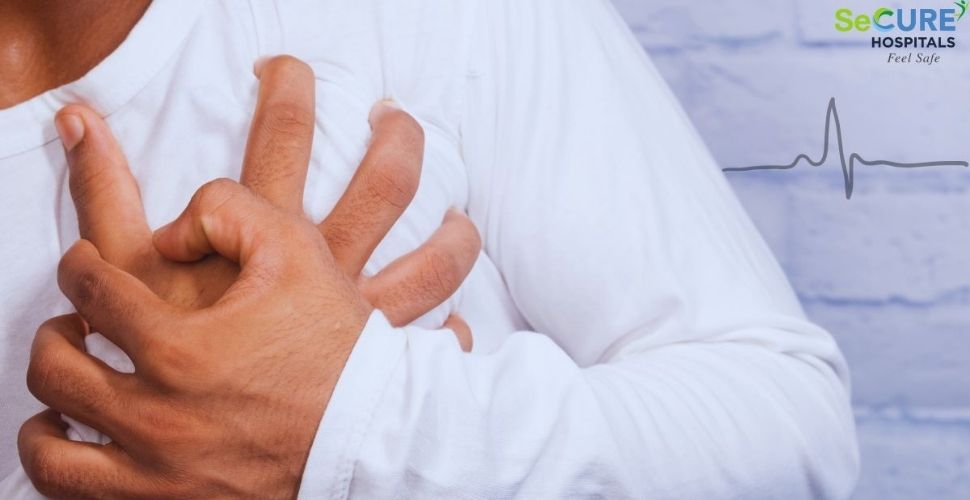
Understanding Heart Attacks and Heart Failure: Insights from Dr. Sohan
Heart attacks and heart failure have become two of the most concerning health issues today. Over the past few years, hospitals across India have seen a significant rise in patients reporting chest discomfort, breathlessness, or fatigue — symptoms that may indicate serious heart problems. This alarming trend is largely attributed to rapidly changing lifestyles, increased stress levels, and poor dietary habits in both urban and rural populations. Experts warn that neglecting early signs and failing to manage underlying risks like hypertension and diabetes are driving this public health crisis. It underscores the urgent need for greater awareness and proactive health management.
Dr. Sohan, Consulting Physician at Secure Hospitals, Mysuru, shares valuable insights about the growing prevalence of heart attacks (myocardial infarction), early detection, and preventive steps everyone should follow to protect their heart health.
Why Are Heart Attacks Increasing?
According to Dr. Sohan, there’s been a noticeable increase in patients visiting hospitals for ECG (Electrocardiogram) tests and heart-related complaints, especially in the last few months. Many people, even without any significant symptoms, are getting themselves checked — which is both a good and bad sign. It shows increased awareness, but also rising anxiety about heart health.
Heart attacks, once considered a disease of older adults, are now affecting younger populations too. “About a decade ago, most cases were seen in people above 30 or 40,” explains Dr. Sohan. “Today, we frequently treat patients in their 30s.”
This trend reflects changing lifestyles — stress, poor diet, lack of exercise, and unhealthy habits are all contributing factors to cardiovascular disease.
Common Symptoms of a Heart Attack
Recognizing symptoms early can save lives. The common warning signs of a heart attack or heart failure include:
Severe pain or discomfort in the chest, often felt as heavy pressure or a tight squeeze.
Trouble breathing, particularly when moving or lying still
Unexplained fatigue or weakness
Excessive Sweating
Nausea, stomach discomfort, or dizziness
Sometimes, the signs can be subtle. “A person may just feel unwell, complain of indigestion, or have mild pain”. “These can still be early indicators of a myocardial infarction.”
Noticing any of these symptoms? Seek immediate medical help immediately. Acting within the “golden hour” — the first hour after symptom onset — dramatically improves survival rates.
How to Know If You’re Having a Heart Attack?
People often confuse heart attack symptoms with acidity, muscle pain, or anxiety. The safest approach is to get evaluated by a cardiologist or in the emergency department.
Doctors may perform quick tests such as:
Echocardiogram – to assess heart function
Blood tests – to look for cardiac enzymes that indicate muscle damage
Angiogram – to check for blockages in the coronary arteries
Timely diagnosis and treatment can prevent complications and even heart failure. When in doubt, always seek immediate medical help; your life depends on it.
Preventing Heart Attacks and Heart Failure
Dr. Sohan emphasizes that prevention begins long before symptoms appear. “Everyone above 30 should get a yearly health check-up, whether they have symptoms or not,” he says. In countries like the U.S. and across Europe, this practice has been routine for decades — and India is gradually catching up.
Key Preventive Measures:
Regular Health Check-ups: Early screening helps detect high blood pressure, diabetes, or cholesterol issues — all risk factors for heart disease.
Adopt a Healthy Lifestyle: A balanced diet rich in vegetables, fruits, whole grains, and lean proteins is essential. Avoid junk food, fried items, and processed meats. Dr. Sohan also advises limiting non- vegetarian foods high in saturated fat.
Quit Smoking and Limit Alcohol: Smoking (including beedis and cigars) damages blood vessels, while excessive alcohol can strain the heart and liver. Wearing a protective mask in a polluted environment helps cut down on your body’s intake of harmful substances.
Exercise Regularly: Being physically active makes your heart stronger and boosts blood flow. “Aim for at least 30–40 minutes of exercise, five days a week,” Walking, swimming, or cycling are excellent options.
Get Enough Sleep and Manage Stress: Poor sleep and high stress are silent contributors to heart failure. Practicing relaxation techniques like yoga, meditation, or deep breathing can make a big difference.
Addressing the Myths: COVID Vaccines and Heart Issues
One of the most widely circulated misconceptions in recent years is that COVID-19 vaccines cause heart attacks. Dr. Sohan clarifies:
“While it’s true that more cases appeared after the pandemic, there is no scientific evidence linking vaccines like Covishield, Covaxin, or Sputnik to heart failure or heart attacks.”
Instead, it can be the virus itself that can cause long-term inflammation or alter heart receptors, leading to complications.
Dr. Sohan adds, “Please don’t rely on rumors — always consult a qualified physician or cardiologist before believing such claims.”
What to Do During a Suspected Heart Attack?
Act Fast: Reach a hospital immediately — ideally within the first hour. This window offers the best chance to restore blood flow and minimize permanent heart damage. If an ambulance is not immediately available, have a friend or family member drive. Do not drive yourself!
Don’t Travel Far: Go to the nearest primary care center or emergency room first. They can administer initial life-saving medications and injections to stabilize the patient before a transfer to a specialized cardiac unit is attempted.
Stay Calm: Sit upright, avoid exertion, and call for help. Remaining calm and still helps reduce the heart’s workload and limits its demand for oxygen.
Follow Medical Advice: Once at the hospital, doctors will diagnose the issue and may perform angioplasty (inserting a balloon and stent to open a blocked artery) or administer clot-busting drugs. Cooperate fully and provide a list of current medications and allergies to streamline this critical process.
With prompt care, 70–80% of heart attack patients can be saved.
Managing Chronic Conditions
People with hypertension, diabetes, kidney disease, or prior heart conditions should visit their doctor at least once every three months. These conditions often go hand-in-hand with heart failure.
“People frequently travel to new places and eagerly try different foods, but they avoid visiting their doctor — that’s not right,” says Dr. Sohan. Regular monitoring helps manage risk and prevent complications.
How to Avoid Heart Failure?
When the heart can’t circulate blood efficiently throughout the body, it results in heart failure. Preventing it involves:
Keeping blood pressure and blood sugar under control
Maintaining a healthy weight
Taking medications as prescribed by your doctor
Limiting salt intake
Staying physically active
Avoiding smoking and alcohol
Early detection is key. If you experience persistent fatigue, swelling in the legs, or breathlessness, get an echocardiogram to assess your heart’s pumping capacity.