


Surgical Oncology at SeCURE Hospitals
The Surgical Oncology Department at SeCURE Hospitals provides comprehensive and advanced cancer surgery care for patients of all age groups. Our highly experienced surgical oncologists, supported by skilled anesthetists, nurses, and allied specialists, deliver personalized, evidence-based treatment in a safe and supportive environment.
We understand that a cancer diagnosis can be overwhelming and life-changing. Our approach combines clinical excellence with patient-centered care, helping individuals move through their treatment journey with confidence and hope.
SeCURE Hospitals has dedicated Surgical Oncology departments equipped with advanced facilities and expert teams to ensure high-quality cancer care at every stage.
Comprehensive, Multidisciplinary Care
Effective cancer care requires collaboration. Our Surgical Oncology team works closely with Medical Oncology, Radiation Oncology, Radiology, and Pathology departments to provide coordinated and holistic treatment.
Our operation theatres are equipped with advanced surgical and anesthesia systems, supported by modern ICUs and advanced imaging facilities. This ensures precision, safety, and optimal outcomes at every step of care.
Patient-Focused Support
Care at SeCURE Hospitals extends beyond surgery. We provide:

Pre-operative counseling

Post-surgical rehabilitation

Pain management

Nutritional guidance
Our dedicated oncology nurses, counselors, and physiotherapists work together to support both physical recovery and emotional well-being, helping patients regain confidence during the healing process.
Conditions We Treat
Our Surgical Oncology Department specializes in the surgical management of a wide range of solid tumors and cancerous conditions, including:

Head & Neck Cancers
- Oral and Mouth Cancers: Tumors of the tongue, lips, and gums
- Thyroid and Parathyroid Cancers: Surgical removal of nodules and malignant growths
- Throat and Laryngeal Cancers: Precision surgery focused on preserving speech and swallowing

Breast Cancers
- Breast Cancer: Treatment options include breast-saving surgery and mastectomy
- Benign Breast Conditions: Removal of non-cancerous lumps and cysts

Gastrointestinal (GI) & Abdominal Cancers
- Esophageal and Stomach Cancers: Specialized surgeries for digestive tract tumors
- Colorectal Cancer: Surgical treatment of colon and rectal tumors, including minimally invasive options
- Hepato-Pancreato-Biliary (HPB) Cancers: Surgeries for cancers of the liver, pancreas, gallbladder, and bile ducts

Gynecological Cancers
- Ovarian and Uterine Cancers: Surgical treatment including hysterectomy and tumor removal
- Cervical Cancer: Surgical care for early and selected advanced stages

Thoracic & Lung Cancers
- Lung Tumors: Procedures such as lobectomy and segmentectomy for localized disease
- Mediastinal Tumors: Removal of masses located between the lungs

Soft Tissue & Bone Cancers
- Sarcomas: Surgery for tumors affecting muscles, fat, nerves, and bones
- Skin Cancers and Melanoma: Wide local excision and lymph node assessment when required
Why Choose SeCURE Hospitals for Surgical Oncology?
- Highly skilled and experienced surgical oncologists
- Advanced surgical and imaging technology
- Minimally invasive surgical techniques, where appropriate
- Compassionate, personalized care from diagnosis to recovery
At SeCURE Hospitals, we are committed to delivering quality surgical oncology care that blends precision, technology, and care—supporting patients every step.

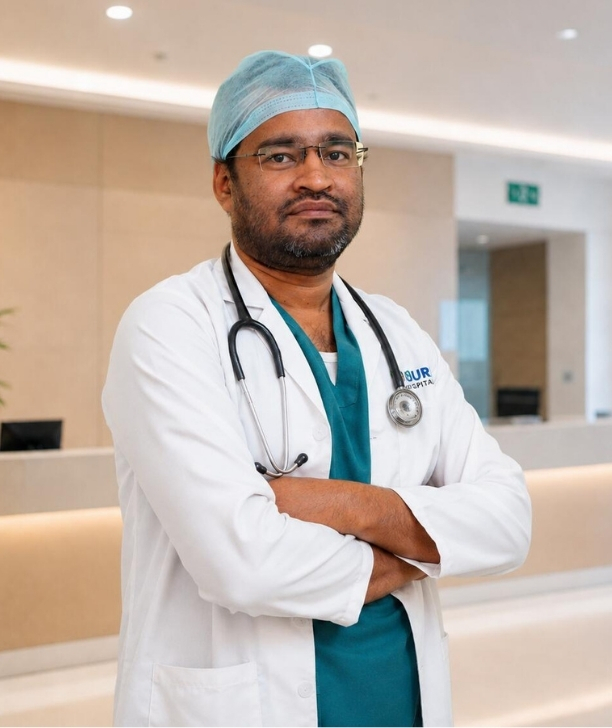
Our Surgical Oncology Specialists

Frequently Asked Questions
Surgical Oncology is a unique and vital area of surgery that focuses on removing cancerous tumors and the surrounding tissues that may be affected. It plays an essential role in diagnosing cancer, providing treatment options, and in some cases, even achieving a cure
Many cancers can be treated successfully, especially if caught early on. And even if a complete cure isn't an option, today's advanced treatments can help manage the disease and significantly enhance a person's quality of life.
Cancer diagnosis involves several key steps, including:
- A thorough clinical examination
- Imaging tests like ultrasound, CT, MRI, or PET scans
- Biopsies and lab tests to confirm findings
Cancer can occur at any age, but the risk generally increases after the age of 40. Some cancers also affect children and young adults.
The success of chemotherapy varies depending on the type and stage of cancer. It can cure some cancers, shrink tumors before surgery, or help control disease and symptoms.